Apple has just launched a program in the United States that lets you lease an iPhone instead of buying it, and several makers of AI-powered home robots already offer their machines for a fixed monthly fee. Are we witnessing the end of tech ownership, or a passing fad? The debate over whether leasing will replace buying is only beginning, and its economic consequences reach all of us.
The Case That Sparked the Debate
By: Gabriel E. Levy B.
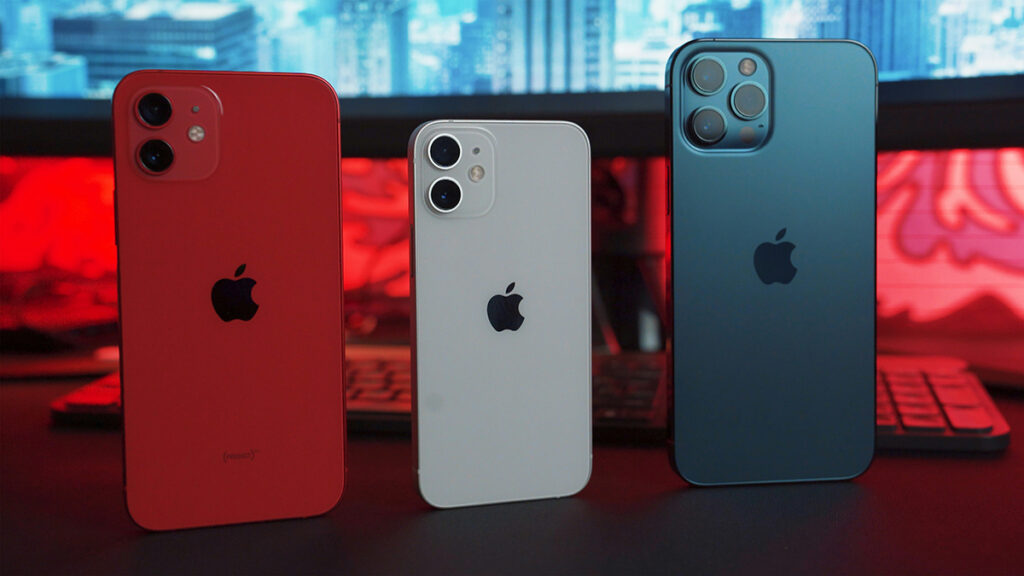
On July 28, 2026, Apple launched a program in the United States called Apple Upgrade. The company described it in its own press release as a consumer lease, and clarified that it is neither a purchase nor a loan. Bloomberg journalist Mark Gurman had reported the move days earlier. The fee starts at $17.99 a month for an iPhone, and the program also covers the company’s other devices, from the Mac to the Apple Watch. The financing runs through Klarna, a Swedish installment-payment firm that takes on the risk if the customer stops paying.
The break with the past runs deep. For a decade, Apple offered the iPhone Upgrade Program, a loan that left the phone in the customer’s hands once it was paid off. With Apple Upgrade, whoever pays for two years must return the device, buy it with an extra payment, or swap it for the newest model. For the first time, a customer who finances through Apple can end the contract owning nothing.
Leasing Instead of Buying
The terms are worth clarifying, because they often get confused. Buying means paying once and keeping the device for good. Financing in installments means splitting that payment into monthly amounts, always with ownership as the final goal. Leasing works differently: we pay to use the equipment for an agreed period and hand it back at the end. Hardware subscription goes one step further, with a fee that never ends as long as we want to keep using the product.
In the corporate world, this model has a name of its own. Specialists call it Device as a Service, and it means paying a monthly rate that covers the equipment, its technical support, repairs, and the final replacement. Companies such as HP, Dell, Lenovo, and Microsoft have offered it to other firms for years, since they prefer a predictable monthly cost over paying out a lump sum for hundreds of computers. What is new is that this scheme is starting to knock on the door of our homes.
From Robots to Cars
The most striking case is home robots powered by artificial intelligence. The company 1X, backed by OpenAI, offers its NEO humanoid robot for $20,000 or for a fee of $499 a month. Several industry analysts figure that most humanoid makers will lean toward subscription, because the purchase price is out of reach for almost any family. Tesla, which is developing its Optimus robot, has yet to confirm either the price or the sales model.
Cars already traveled this road. In 2022, BMW tried to charge a monthly subscription to switch on the heated seats in its vehicles, a feature the buyer already had installed from the factory. The backlash was so strong that the brand pulled the seats from the scheme, though it keeps other features behind recurring payments. Laptops are following the same route, with rental programs that promise to refresh the machine every few years. That BMW episode left a clear lesson about how far people are willing to go.
Why It Suits the Companies
Behind this trend sits a very clear business logic. A one-time sale brings in money once. A monthly fee brings in money every month, for years, and that recurring income, the kind that arrives in a steady and predictable stream, is worth more on the stock market than a single sale. The consultancy Zuora, which tracks what it calls the subscription economy, documented that fee-based companies grew faster than the average of large U.S. firms over the past few years.
Leasing also ties the customer down. Whoever leases an iPhone renews inside Apple’s world and adds cloud storage to the same bill. Tim Cook, who stepped down as Apple’s chief executive in September 2026, defended the program to analysts and stressed that the brand’s products hold a high resale value. The maker takes back the returned device, refurbishes it, and sells it again, earning twice on the same gadget.
What We Gain and What We Risk
For those of us who use technology, the model brings real advantages. The upfront outlay drops and the equipment stays current, with maintenance included in the fee. On a continent where buying a high-end phone equals several months’ wages, paying a little each month opens the door to millions of people. In Colombia, carriers such as Claro finance devices through partners like Tenderete, which install a lock app on the phone as a payment guarantee.
The risks are just as concrete. Over time, the sum of the fees can exceed the purchase price, and we never come to own the device. If we stop paying, we lose it. Add to that dependence on a single provider, constant data collection, loss of control, and the fatigue of piling up subscriptions, a phenomenon that in the United States already pushes many households to cancel services they once paid for without a second thought. There is also a friendly environmental side, because the returned device gets refurbished instead of ending up in a drawer. The deeper question is who controls the technology we use every day.
In short, leasing and subscription are gaining ground as ways to access technology, and Apple has just given them a historic push with its iPhone for rent. The model promises always-new equipment and a smaller upfront cost, in exchange for giving up ownership and paying without end. Whether it will replace buying or live alongside it is something we will all decide, fee after fee.
References
- Apple. (28 de julio de 2026). Apple Upgrade launches in the United States. Apple Newsroom. https://www.apple.com/newsroom/2026/07/apple-upgrade-launches-in-the-united-states/
- Gurman, M. (21 de julio de 2026). Apple to launch a device leasing program with Klarna. Bloomberg.
- TechCrunch. (28 de julio de 2026). Apple launches ‘Upgrade’ device leasing program in partnership with Klarna. https://techcrunch.com/2026/07/28/apple-launches-upgrade-device-leasing-program-in-partnership-with-klarna/
- Zuora. (15 de abril de 2025). Subscription Economy Index 2025.
- RoboZaps. (2026). Neo Robot vs Tesla Optimus: Home Humanoid Comparison. https://blog.robozaps.com/b/neo-robot-vs-tesla-optimus
- Rooney, K. (14 de julio de 2022). Why BMW is offering heated seats on a monthly subscription. CNN Business. https://www.cnn.com/2022/07/14/business/bmw-subscription
- Mordor Intelligence. (2026). IT Hardware Subscription and Device-as-a-Service (DaaS) Market. https://www.mordorintelligence.com/industry-reports/it-hardware-subscription-and-device-as-a-service-market
- Claro Colombia. (2026). Alianzas financieras. https://www.claro.com.co/personas/tienda-claro/alianzas-financieras/